
Yes, an armoured lock guard is worth it on almost any front door, because it protects the cylinder, which is the most attacked point. It stops the cylinder being easily gripped, snapped or drilled. It only works properly, though, with a security cylinder and through-bolts fixed from the inside.
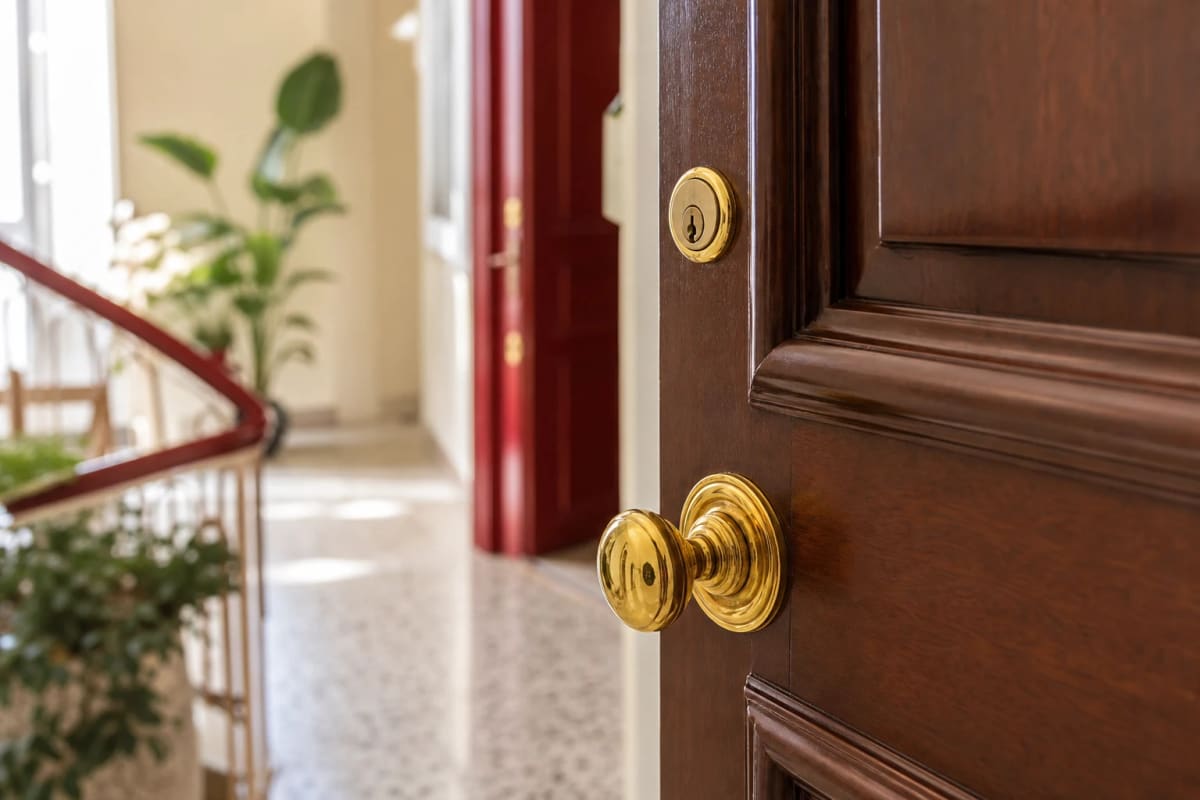
What is an armoured lock guard?
An armoured lock guard is a hardened steel plate fitted on the outside of the door, around the lock cylinder. Its job is to cover the cylinder so it cannot easily be gripped with tools, snapped, pulled out or drilled. It is fixed from the inside with bolts that pass through the door, so there is nothing to unscrew from outside.
It should not be confused with the decorative escutcheon many doors come with. That is a cosmetic cover; an armoured lock guard is structural protection designed to withstand attack.
The logic is simple: most attempts to break into homes target the cylinder, because it is the part that is visible and within reach. If the cylinder cannot be gripped or drilled quickly, the attempt drags on, makes noise and stops being worth it. A lock guard does not turn an ordinary door into an armoured door, but it does remove the easiest point of attack.
What exactly does an armoured lock guard protect?
It protects the cylinder against attacks that use force on it:
- Snapping or extraction: if the cylinder sticks out, it can be gripped and snapped. The guard leaves it flush with nothing to grip.
- Drilling: the hardened steel centre piece deflects or stops the drill bit.
- Levering the cylinder: because it is bolted from the inside, it cannot be prised off from outside.
- Tampering with the keyway, on models that cover the cylinder.
What it does not do is make up for a poor cylinder. Against lock bumping or picking, the defence lies inside the cylinder. That is why the ideal is to combine both, as we explain in what lock bumping is and how to prevent it.
What types of lock guard are there?
| Type | How it works | Who it suits |
|---|---|---|
| Fixed guard | Surrounds the cylinder and leaves the keyway visible | Homes looking for basic protection against snapping |
| Guard with rotating disc | The front piece spins freely if someone tries to drill or grip it | Street-facing or more exposed doors |
| Magnetic guard | A cover fully conceals the cylinder and opens with a coded magnetic key | Second homes, ground-floor flats and premises that stay closed for long periods |
Manufacturers such as Tesa, Cisa, FAC, Azbe and ABUS offer models at several levels. What matters is not so much the brand as making sure the guard is compatible with your door, your lock and the cylinder size.
Which doors in Málaga benefit most?
From what we see every day, a lock guard is especially recommended for:
- Ground and first-floor flats with direct access from the street or from courtyards.
- Second homes on the coast, such as in Rincón de la Victoria or Torremolinos, which sit empty for weeks. Here a magnetic guard has the added advantage of shielding the cylinder from salt air and sand.
- Holiday flats in the Centro, where the door gets heavy use and it makes sense to reinforce the weak point.
- Homes in older blocks in the west of the city where the cylinder sticks out several millimetres from the door.
- Business premises and storage rooms left locked overnight or at weekends.
What mistakes should be avoided when fitting one?
A badly fitted guard can give a false sense of security. The most common faults we put right are:
- A cylinder that sticks out from the guard. The cylinder should sit flush or slightly recessed; if it protrudes, the guard loses much of its value.
- Fixings that are not through-bolts or that can be reached from outside.
- A guard that is not compatible with the lock, forcing you to strain the key or rubbing as it turns.
- Reusing an old cylinder with no anti-bump protection behind a new guard.
That is why, when fitting a guard, we usually check the cylinder too and measure it again. If you have not changed it for a while, have a look at when to change your lock cylinder.
Armoured lock guard or security deadbolt?
They do not compete, they complement each other. The guard protects the cylinder of the main lock; the deadbolt adds a second locking point at another height on the door. If you have to choose one first, on most doors we would start with a good cylinder and a lock guard, because that reinforces the point attacked in almost every attempt. A deadbolt then completes the protection. We explain it in security deadbolt: where to fit it.
When should I call a locksmith to fit a lock guard?
Call if your cylinder sticks out, if you have no outside protection at all or if your home is often empty. Also after a break-in attempt, even if they did not get in. The locksmith checks the thickness of the door, the lock and the cylinder, and recommends the guard that fits. You will find all the information on our armoured lock guards in Málaga page, and you can contact us with any questions.
Frequently asked questions
Does an armoured lock guard fit any door?
It fits most front doors, both wooden and security doors, as long as they are thick enough and have a lock with a euro profile cylinder. On very thin or aluminium doors, the specific model needs assessing.
Do I need to change the cylinder when fitting a lock guard?
Not always, but it is advisable if the cylinder is old or has no anti-bump protection. The cylinder also has to be exactly the right length to sit flush with the guard.
Is a magnetic lock guard more secure than a fixed one?
It adds an extra layer, because it fully covers the keyway and the cover has to be opened first with its coded key. It is very useful for homes that are often left empty.
Is it very noticeable on the outside of the door?
There are discreet models in several finishes, such as brass, chrome or black, that blend in well with the door. On the inside you only see a back plate with the bolts.
Does a lock guard prevent lock bumping?
Not on its own. The guard stops snapping and drilling, but lock bumping works inside the cylinder. To cover both risks you need to combine a guard with an anti-bump cylinder.
Related services
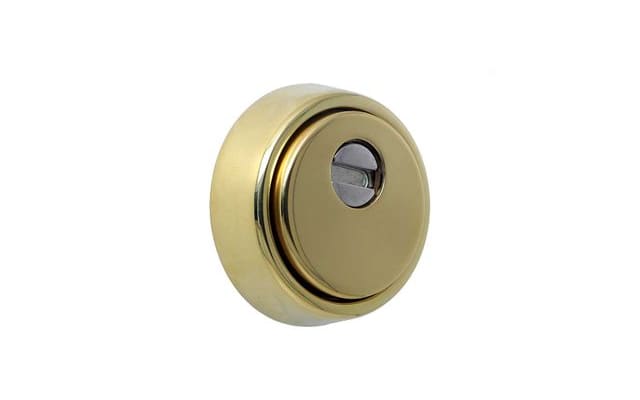
Armoured lock guards
We fit armoured lock guards and cylinder protectors in Málaga to stop the cylinder being snapped, drilled or broken.
From €150View service →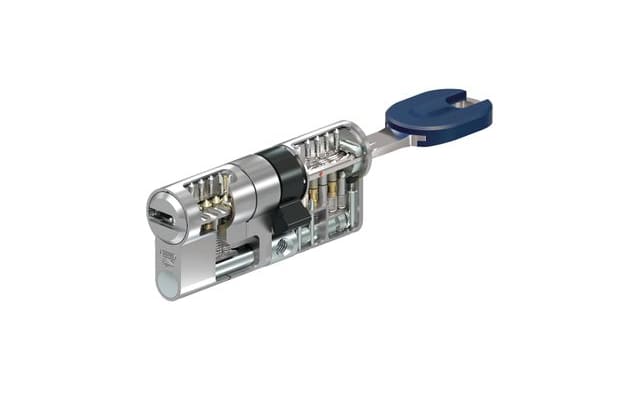
Lock cylinder change
We replace the cylinder in your door with an anti-bump, anti-snap one, at your home and with new keys, anywhere in Málaga city.
From €60View service →